


Michigan voters restored a Democratic trifecta in Lansing, expanding the Senate Democratic majority to 23-15 and flipping the House to a 63-47 Democratic advantage. As Gov.-elect Jocelyn Benson prepares to take the Governor’s mansion, four newly elected legislative caucus leaders will shape the state’s economic and policy trajectory beginning in January.
- Two Wayne County Democrats, Sen. Darrin Camilleri (D-Trenton) and Rep. Ranjeev Puri (D-Canton), will lead the Senate and House majorities with an agenda focused on household affordability, income growth, and government reform.
- Republican Minority Leaders Sen. Roger Hauck (R-Mt. Pleasant) and Rep. Tom Kunse (R-Clare) bring decades of private-sector business ownership to the negotiating table and have signaled a shift toward bipartisan collaboration on education, housing, and healthcare.
- The Detroit Regional Chamber will work with both sides of the aisle to ensure legislative productivity translates into long-term economic stability, talent attraction, and business competitiveness.
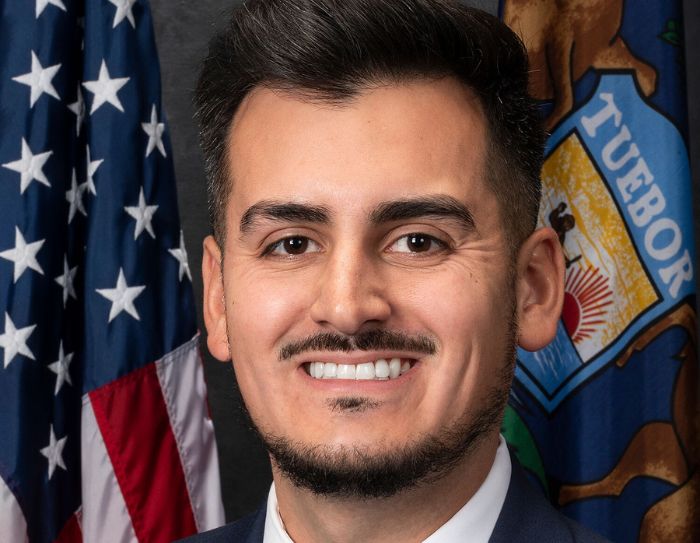 Sen. Darrin Camilleri (D-Trenton) will assume the role of Senate Majority Leader in January after guiding Senate Democrats to their largest majority since 1982. At 34, Camilleri will become the second-youngest Senate majority leader in Michigan history, the first Latino and Maltese American to hold the post, and the first majority leader from Wayne County in more than 40 years. A graduate of Kalamazoo College and a former Detroit high school teacher, Camilleri flipped a Downriver House seat in 2016 before winning election to the Senate in 2022, where he served as assistant majority leader and chaired the pre-K-12 school aid budget subcommittee.
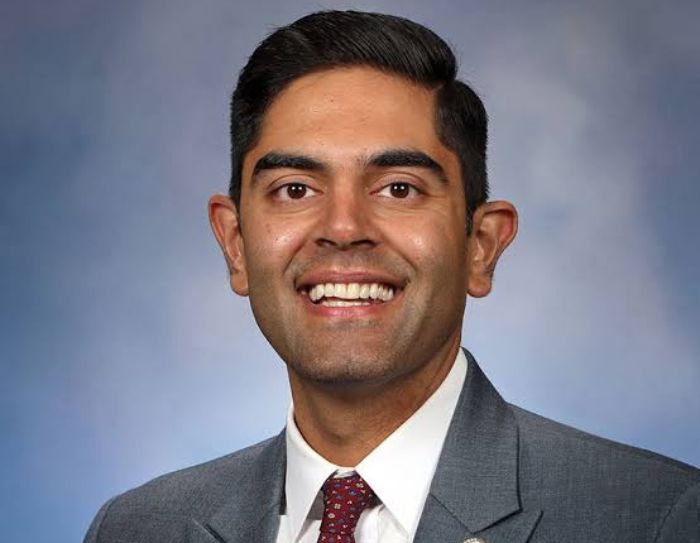 Rep. Ranjeev Puri (D-Canton) will serve as the next Speaker of the House after leading the Democratic caucus from the minority to an 11-seat pickup. The 42-year-old son of Indian immigrants is set to become the first South Asian American state House speaker in U.S. history. First elected in 2020, Puri holds a bachelor’s degree from Ohio State University and an MBA from the University of Chicago. Prior to entering the Legislature, he worked in business development at FCA, now Stellantis, and held a budget and marketing strategy role on President Barack Obama’s re-election campaign.
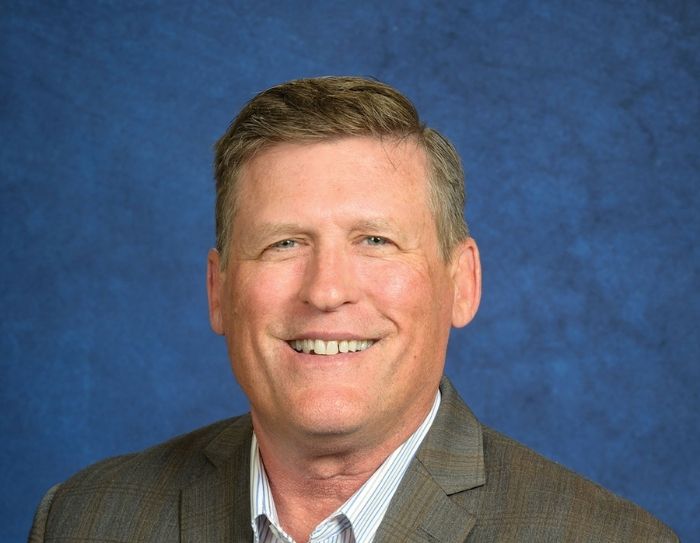 Sen. Roger Hauck (R-Mount Pleasant) was unanimously selected to lead the 15-member Senate Republican caucus. Hauck grew up on a beef and dairy farm, graduated from Central Michigan University, worked for Delfield Refrigeration for 24 years, and co-owned a small building company. Before winning election to the House in 2016 and the Senate in 2022, he served in local government as a Union Twp. trustee. Over the past four years, Hauck served as minority vice chair of the Senate Regulatory Affairs Committee, one of the chamber’s most productive bipartisan committees during divided government.
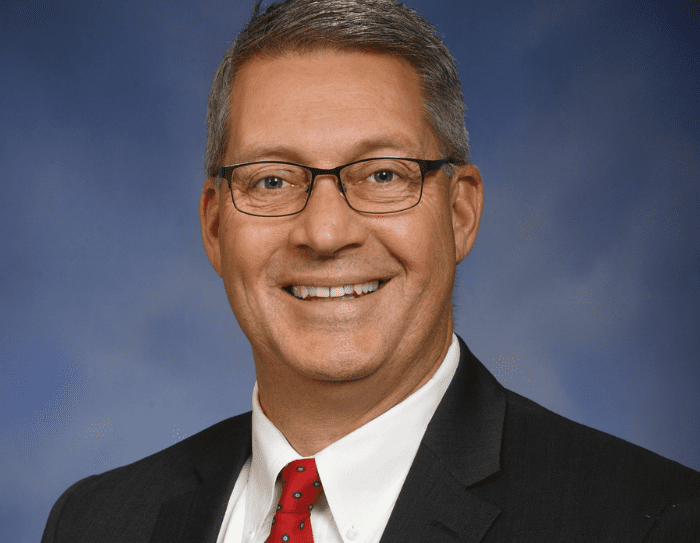 House Republicans elected Rep. Tom Kunse (R-Clare) as House Minority Leader, replacing outgoing Speaker Matt Hall (R-Richland Twp.) following a three-ballot caucus vote. First elected to the House in 2022, Kunse brings three decades of private-sector experience to the role, having owned and operated a trucking and transportation business for 30 years before selling it in 2024.