
MiBlue Daily
June 18, 2026
Lindsay Knake
Spending time outdoors is one of the gifts of summer, but increased time in the great outdoors does come with a few risks you need to do your best to protect against. You probably know to put on sunscreen, stay hydrated and keep cool, but are you familiar with protecting against tick-born illnesses like Lyme disease?
The illness is caused by bacteria called Borrelia burgdorferi, which is carried by infected blacklegged ticks. It can cause serious health issues if not promptly treated. Lyme disease typically starts with flu-like symptoms, but the disease can spread to the joints, heart and nervous system, according to the Michigan Department of Health and Human Services.
As of 2023, Lyme disease had been reported in nearly every county in the state, according to the State of Michigan. And the Lyme disease cases in Michigan have increased by 168% since 2020.
Peak transmission is May through August and most often happens through nymphal blacklegged ticks, which are about the size of poppy seeds and harder to see than adults. Not all ticks carry the pathogen, but both adult and nymphal ticks can transmit it.
Ticks are widespread and commonly found in grasses, shrubs and forests.
Symptoms of Lyme disease include:
- Fever and chills
- Headache
- Fatigue
- Muscle and joint aches
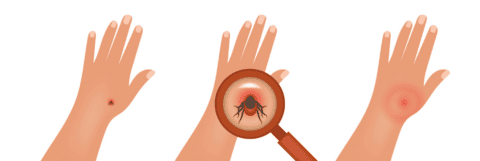
- Erythema migrans (EM) rash at the site of the bite, often a bullseye shaped that expands
- Facial palsy or drooping on one or both sides of the face
- Heart palpitations
- Dizziness or shortness of breath
- Shooting pains, numbness, or tingling in the hands or feet
If you get a tick bite, remove it immediately and talk to your primary care provider (PCP) about treatment. Lyme disease is treatable with antibiotics when caught early.