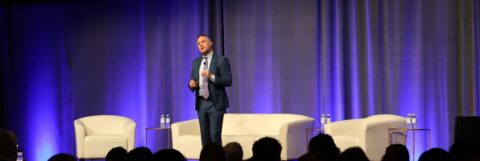
Fleisher says there are three policies that can solve this problem.
Land Value Tax (LVT): Fleisher reflected on what happened in 2023: “Detroit unveiled a proposal to increase the tax on vacant land to reduce taxes on occupied properties.” However, “the tax on land had to be so high to get the kind of targeted reduction we wanted on homeowners that it resulted in unintended consequences.”
To address this problem, Fleisher recommends LVT be part of the solution. “That way, you don’t have to tax the land so much that you run headlong into the argument of ‘that’s too much.’”
Local Option Excise Tax: Fleisher pointed out that there has been recent attention on the pros and cons of a citywide local sales tax. However, there are major drawbacks. A local sales tax would require a constitutional amendment, is regressive, and could change consumer behavior on large purchases.
Instead, Fleisher suggests a more focused excise tax limited to the greater downtown that would “avoid the need for a constitutional amendment, avoid concerns with distorting behavior, follow national best practices in deriving revenue from center-city entertainment and visitor districts, solve concerns about regressivity, and be easily administrable.”
Tax Abatement Reform: “Tax abatements are an essential tool to make development feasible in Detroit.” However, tax abatements only provide significant relief for a relatively short term, creating a looming “cliff” for homeowners and developers.
Fleisher suggested that reducing the abatement level and extending the duration would yield immediate revenue for the City, make development more financeable, mitigate the abatement cliff, and yield a similar present value.
“A win in making our tax structure more efficient and pro-growth—and, make no mistake, growth is the ultimate answer for Detroit.”