Detroit Regional Chamber > Advocacy > County Executives Call for Regional Action on Talent, Transit, and Infrastructure 

County Executives Call for Regional Action on Talent, Transit, and Infrastructure 

November 3, 2026 Anjelica Miller headshot

Anjelica Miller | Manager, Communications, Detroit Regional Chamber

Key Takeaways

  • Expanding the Detroit Region’s talent pipeline will require stronger alignment among employers, educational institutions, skilled trades, and transportation providers. 
  • Southeast Michigan’s manufacturing, defense, engineering, and research assets provide a foundation for growth, but regional leaders must communicate those strengths more effectively. 
  • Housing, water systems, roads, and transit remain interconnected priorities that require sustained local, regional, state, and federal coordination. 

As the Chamber’s Chief Operating and Strategy Officer Megan Spanitz reminded regional leaders Friday, “Michigan, Our House Is on Fire,” and no state has fallen harder or faster on key economic metrics. 

Turning the state around will no doubt require continued collaboration by County Executives Warren Evans of Wayne County, Mark Hackel of Macomb County, and Dave Coulter of Oakland County – who collectively represent a the tri-counties, which ae home to 39% of Michigan’s population and nearly half it economic activity.  

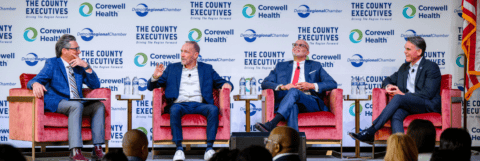
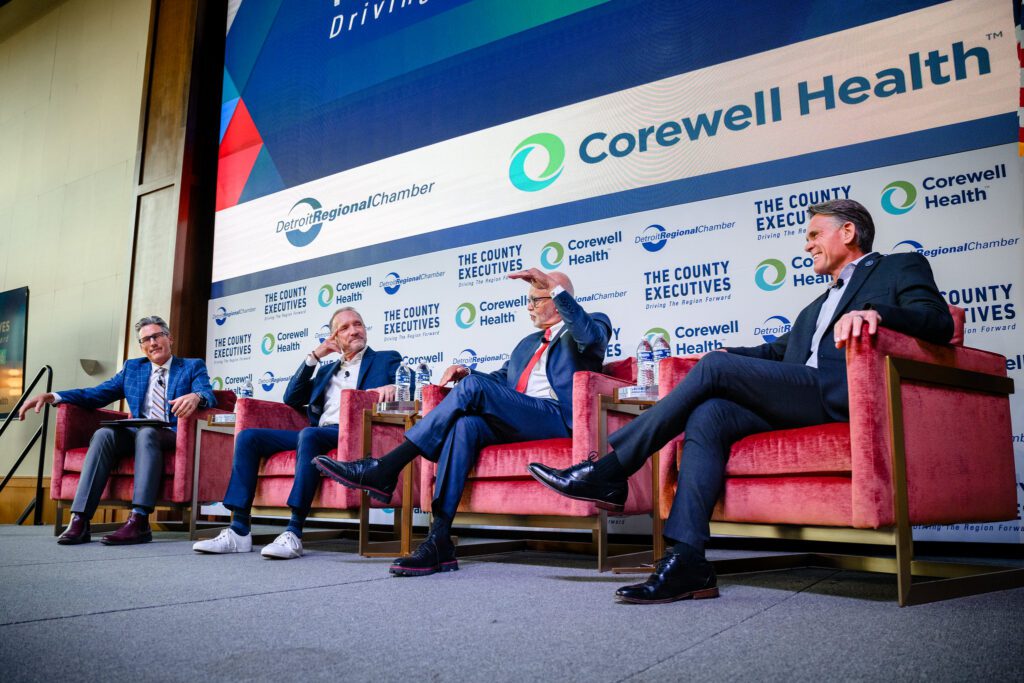
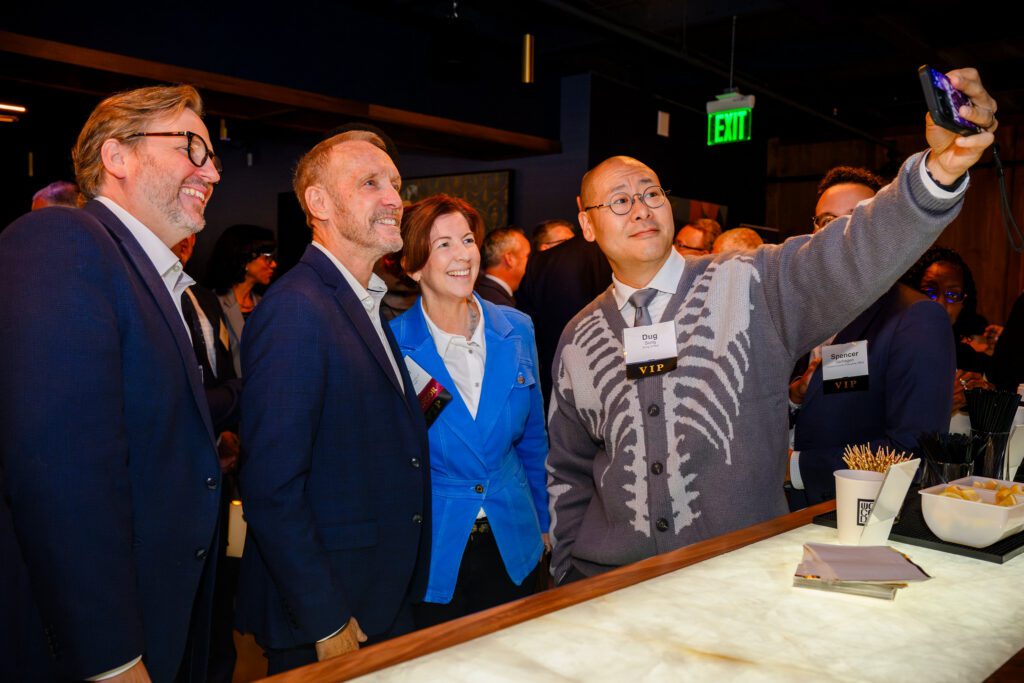
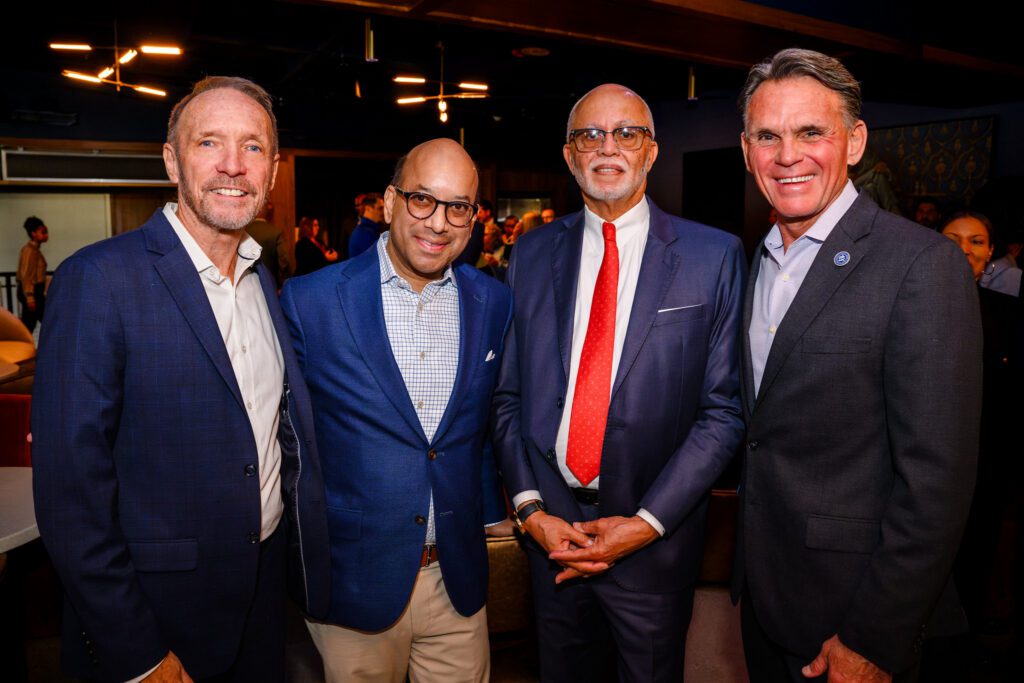
The Chamber convened members on Oct. 30 to discuss how the three long-time Chamber partners are working together while sharing their perspectives on how to drive the region forward 

The discussion addressed the policies, investments, and partnerships needed to attract talent, create housing, support advanced manufacturing, maintain infrastructure, and improve regional transit.  

Connecting Talent to Education, Employment, and Housing

The county executives identified workforce availability as a central challenge for the Region’s employers. Hackel said Macomb County has approximately 40,000 available jobs across its industries, requiring collaboration among workforce development organizations, educational institutions, and employers. He also emphasized that employment opportunities alone may not be enough to attract and retain residents. 

“I don’t think it’s always about the job,” Hackel said. “I think it’s about a lot of the quality of life opportunities that we offer.”  

Evans focused on expanding pathways into the skilled trades and ensuring training programs prepare participants for available jobs. He called for closer coordination among schools, unions, construction companies, and apprenticeship programs. 

“There’s still an inherent good old boys network that is in the skilled trades,” Evans said. “But you have to expand the family. Or else they’re going to go somewhere else.” 

Coulter said quality communities, strong schools, and an educated workforce are important when counties recruit companies. He also pointed to affordable housing, transportation, healthcare, and job training as priorities identified by young people. 

“When I’m out trying to recruit companies to Oakland County, I can’t give them business incentives … But I can sell them quality of life, as Mark said, and I can sell them a skilled workforce,” Coulter said. “So it’s really important to have great communities with good schools, safe communities, and educated people that can get those jobs.” 

Building on Southeast Michigan’s Economic Assets

The executives described manufacturing, defense, aerospace, engineering, software development, and research as significant regional assets. 

Hackel highlighted Macomb County’s defense industry and the economic activity associated with Selfridge Air National Guard Base. He said the Region should treat defense and aerospace as statewide assets rather than as opportunities belonging to a single county. 

“I do believe Macomb County, the state of Michigan, can become the defense capital of America with the direction that we’re going,” Hackel said.  

Evans said the Region must strengthen coordination among apprenticeship programs, unions, businesses, and educational institutions to prepare workers for long-term construction and manufacturing projects. He also cautioned against setting workforce requirements that cannot be met without first expanding the talent pipeline. 

“Don’t tell me you’re going to do something that’s freaking impossible to do,” Evans said. “We need silos to come down.”  

Coulter pointed to Oakland County’s concentration of engineers and software developers, its educational institutions, and the international companies operating in the county. He said regional recruitment efforts should focus on presenting Southeast Michigan’s combined assets to prospective employers. 

“We have these assets and we don’t brag about them enough,” Coulter said. 

The counties are also supporting entrepreneurs and small businesses. Coulter noted that 95% of Oakland County businesses are small businesses, while Hackel described Macomb County’s planning and development services and Velocity, which assists startups. The executives agreed to consider pilot opportunities with startups working in infrastructure, mobility, manufacturing, and related fields.  

Coordinating Infrastructure and Transit Investments

Regional transit was presented as a connection among workforce development, education, housing, and access to employment. Hackel highlighted the establishment of broader transit support without municipal opt-outs across Wayne, Oakland, and Macomb counties. 

“You’re going to see for the first time in Southeast Michigan where we have no more opt-outs because SMART just got smarter,” Hackel said.  

Evans said mobility can help residents reach training, jobs, and other opportunities, expanding the Region’s available workforce.  

“You’re going to see more people actively in the pool looking for things to do rather than feeling shut out by the process,” Evans said. 

Coulter called for transit improvements to proceed in phases, with agencies first demonstrating service improvements and building ridership before pursuing additional expansions. 

“I think we’ve learned that we need to phase it and demonstrate,” Coulter said. “Let’s do some more, show people how it works, build the ridership, then take another step, then take another step.” 

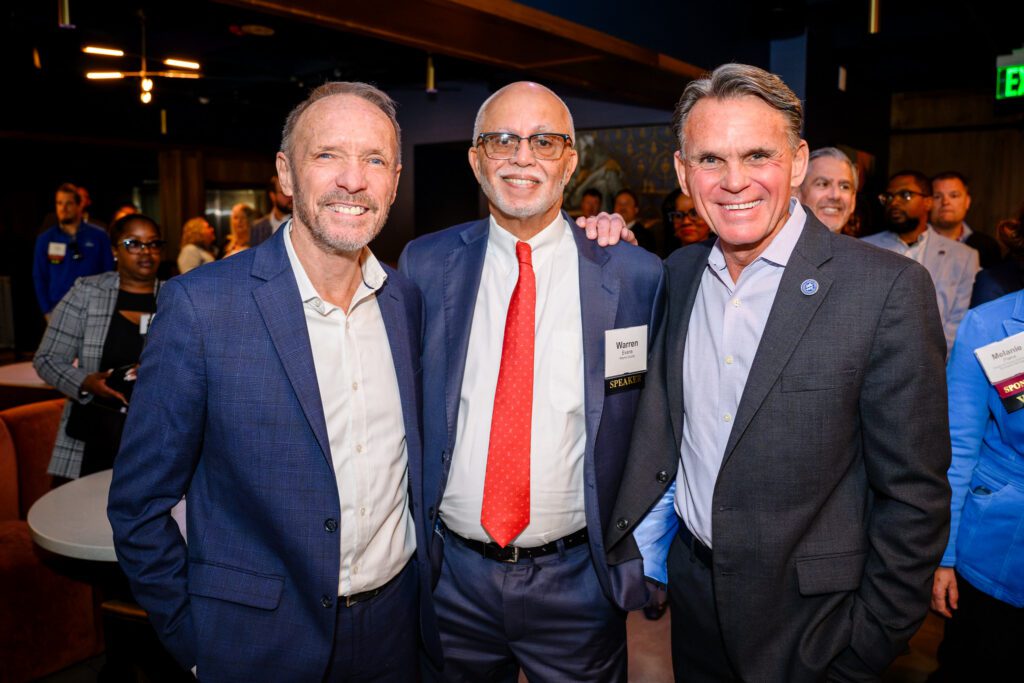
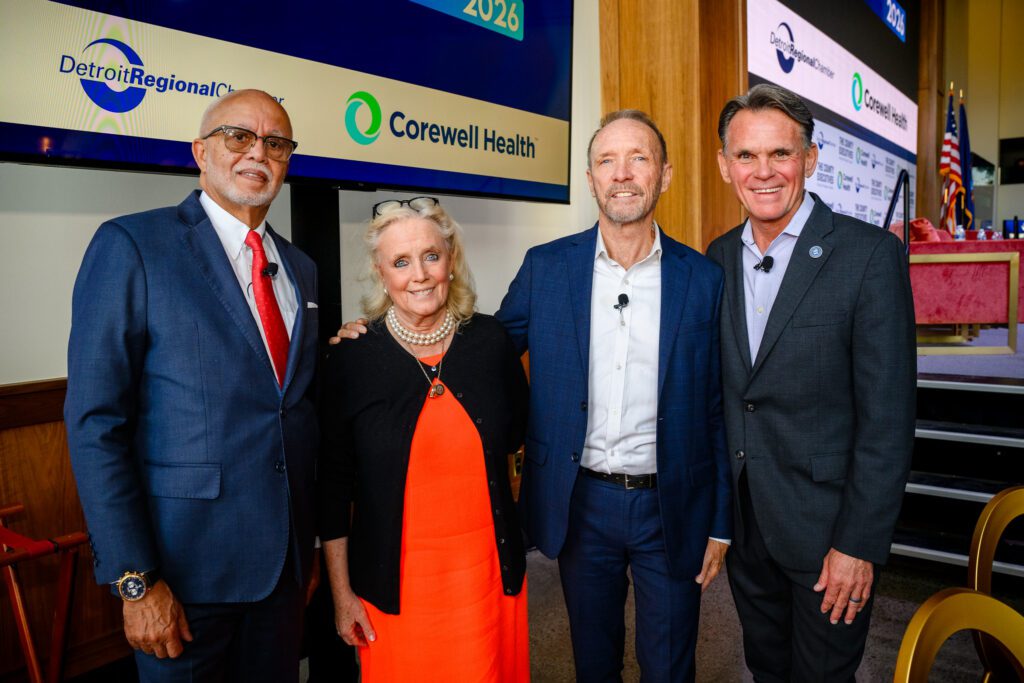
Event Photos