Neyer identified regulatory reform for state departments as a top priority, raising concerns about delays and inconsistency in permitting processes.
“Right now, people across Michigan are waiting for EGLE permits that have been delayed, denied, strung out, and forgotten for months to years,” Neyer said. He added that MDARD and the DNR face “similar issues,” describing what should be routine approvals as having turned into “a guessing game.”
To address these challenges, Neyer pointed to ongoing legislative efforts focused on permit timelines and clearer agency guidance.
“My colleagues and I have worked on boilerplate language to address permit shot-clocks and guidebooks,” he said, also mentioning broader bill packages to improve rulemaking and departmental operations.
Neyer also emphasized legal reform as a critical economic issue, highlighting his sponsorship of House Bill 4582. The legislation seeks to reinstate Michigan’s “open-and-obvious” doctrine, which he argues previously allowed courts to efficiently dismiss meritless claims.
“For more than two decades, this rule gave judges a clear standard,” Neyer said. “Now, cases that would have been dismissed are going all the way to trial.” He warned that the shift has contributed to rising costs for employers, noting that “small business owners are watching their liability insurance premiums double and triple.”
At the district level, Neyer pointed to broader concerns about the cost and unpredictability of doing business. He described “the hidden costs of doing business and the unpredictability of state and local governments” as a challenge that deserves more attention statewide. This ties closely to his regulatory reform efforts, reinforcing his view that greater consistency and transparency in government decision-making are key to supporting economic growth.



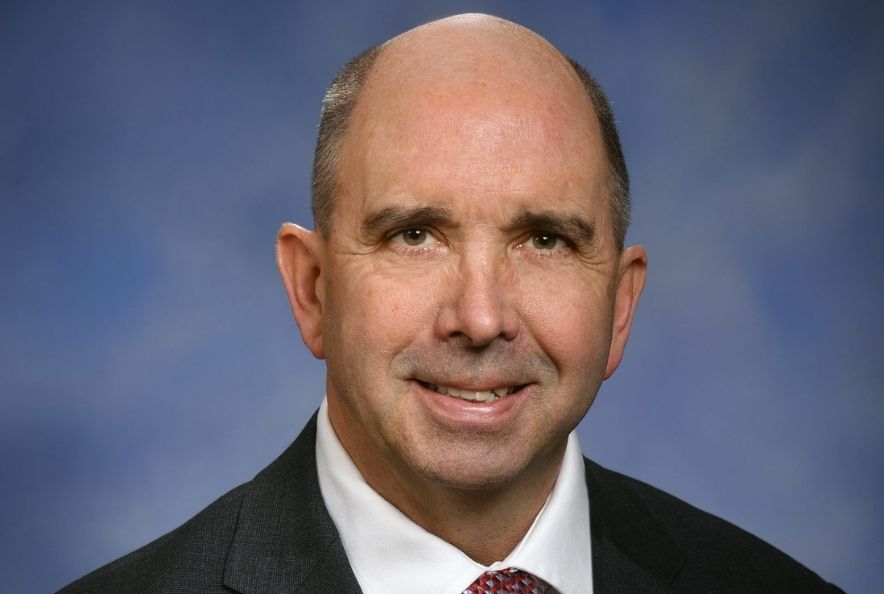 Michigan Rep. Jerry Neyer (R-Shepherd) is serving his second term representing Michigan’s 92nd House District, which includes portions of Gratiot and Isabella Counties. Before being elected to the House, Neyer spent more than 20 years serving on the Isabella County Farm Bureau, the Michigan Dairy Marketing Committee, and the Isabella County Planning Commission. He has also spent the last 30 years working at his family’s dairy farm, which has roughly 150 cows.